
The Epstein PSA and its implications for MAP activism
I haven't covered the Epstein drama on my blog thus far, mostly because I think it's a lot of drama over nothing, currently popular only because of its utility as a political tool. However, three weeks ago, some Epstein 'survivors' issued a PSA ostensibly in support of releasing the Epstein files, and this is worth talking about. The PSA had little to say, instead focusing on emotional manipulation. The very decision to release such a video speaks volumes about how the MAP and 'CSA' hysteria is maintained, which is something MAP activists can learn from.
The PSA
The PSA is, for its intended purpose, excellent. It works on established notions of wrongness, tugging on heartstrings rather than wasting time with logical critique. The women hold up pictures of themselves at the time they met Jeffrey Epstein, and state that they were 14, 16, or 17, all clearly under the magic number '18'. This would, of course, be over the age of consent in a number of developed countries around the world, but it's an American PSA intended for an American audience. They see '18' as a hard and fast limit, even though it is not, even in their home country.
The video was produced by World Without Exploitation, an advocacy group with a glitzy modern website, purportedly fighting to end human trafficking. The group is funded by Tides Center, an umbrella organization that supports a variety of liberal causes. The wording on their various funding pages is both very cautious and open to interpretation. To me as a cynic, it absolutely screams influence peddling by liberal donors.
While the Tides Center may exist to fund left-wing causes, the 'survivors' featured in the PSA possibly have a different yet equally obscured motivation. There's little doubt that the Epstein estate is well funded, and that sexual abuse lawsuits pay well. I want to be clear that I do not purport to have evidence that the women in question are anything but distressed, but I do hold a personal suspicion that money may be at least be part of it.
If I am correct, the PSA is a case of profiteering from two angles. On the one hand, a political attack from a survivor organization created by a lobby group funded by left-wing donors. And on the other hand, a push to release documents that will support a lawsuit by survivors against the Epstein estate.
The main reason I raise this is not to highlight influence peddling, but to make clear that we are not dealing with amateurs. Here we have an example of a simple but extremely well-funded tool for inciting hysteria, produced by people who are likely highly skilled at manipulation. By looking at what they are doing to incite hysteria, MAP activists might reconsider how to combat the hysteria.
Implications
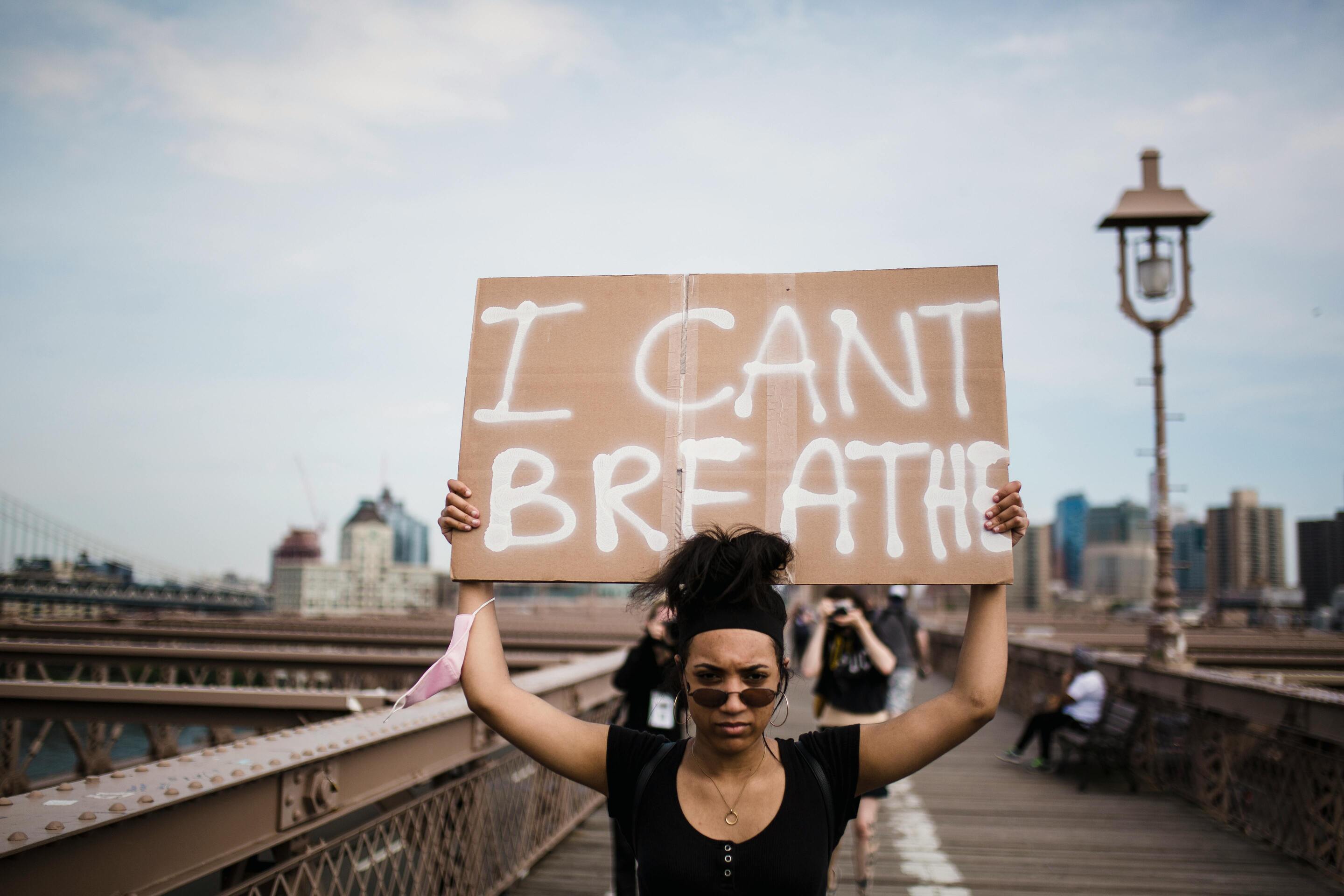
The video is effective because it is incredibly easy to follow, relies on established norms, and elicits a strong emotional response from empathetic people. Contrast this with MAP advocacy, which has mostly been a failure. Our arguments are highly logical, based on detailed analyses of harm and consequences, and attempt to completely rewrite established norms. Now, I'm very much guilty of arguing from a logical standpoint myself, and I even have a tendency to lean into the philosophical and abstract. But the more I read and watch, the more I realize that this is fundamentally wrong. Most people have no interest in challenging themselves to rewrite internalized social norms based on complex counter-arguments. They simply don't want to consider a logical defense of AMSC, nor to debate whether possession of criminalized images really has a mechanism for harm. Whether it be laziness, indifference, or the need to have a boogeyman, they are quite happy to proceed in ignorance. This was perfectly illustrated by an attack piece on one of my articles (won't link; doxxing), where commenters criticized me over a matter I'd already dealt with. They clearly had not even bothered to read the original.
Activists can't change how people are wired. The public aren't going to suddenly care about our logical arguments. And if people are not willing to engage the logical part of their brain, perhaps not even possessing the capacity, it holds that simple and emotional appeals will work better. That's why I've started publishing articles like Ten ridiculous anti-MAP arguments, in addition to my deeper dives. Likewise, I've made a point of discussing my personal life in articles such as Yes, I teach sixth grade!. I have a crush on a super sexy boy at work, as I mentioned on Mu Forum, and I'm going to be talking about stuff like this more on my blog. That will include such delights as the discussion of a boy's cute little butt, because well... lots of 'normal' men appreciate butts without treating the person like a mere object. There's no reason why MAPs can't do that too.
There is an argument that speaking more frankly will make people recoil in horror rather than change their minds. Maybe at first. But desensitization is a powerful tool. We need to show that MAPness is a normal human sexual orientation, one that we're not ashamed of, and one that will exist forever no matter how much people wish it would not be so. Ally Kotetsu takes this a step further, arguing that MAPs need to build out-and-proud real-life communities if we wish to make any progress at all. That's very much a "you first" kind of thing, however, and not entirely conducive to working with children or making young friends.
I really would like to see more people force MAPness in the public's face, and not in a way that requires readers to think very much. If that means making accounts on social media that ultimately get banned for some spurious reason, then so be it? If it means sticking pro-MAP media with QR codes on walls, in places where such is not considered a public nuisance, cool. TikTok and YouTube absolutely need more pro-MAP commentary, although signing up anonymously can be challenging. Even being exposed (but preferably not doxxed) by antis goes some way toward ultimate normalization. These things can be done safely enough with a little care and forethought.
Conclusion
We need to see our detractors for what they are: people who are going through the motions of life without really thinking about much at all. They don't want to deal with analyzing complex pro-MAP arguments, especially when they have zero motivation to give a fuck. In fact, many of them likely lack the capacity. The people working against us understand this, and they adapt their appeals accordingly. Learning from the pros, more of our arguments need to be simple and emotional, focused on normalizing and desensitizing. How can we do this most effectively?
Note on comments: There is bug with how comments are displayed. Please scroll down below the comment form to see comments. Sorry for the inconvenience.